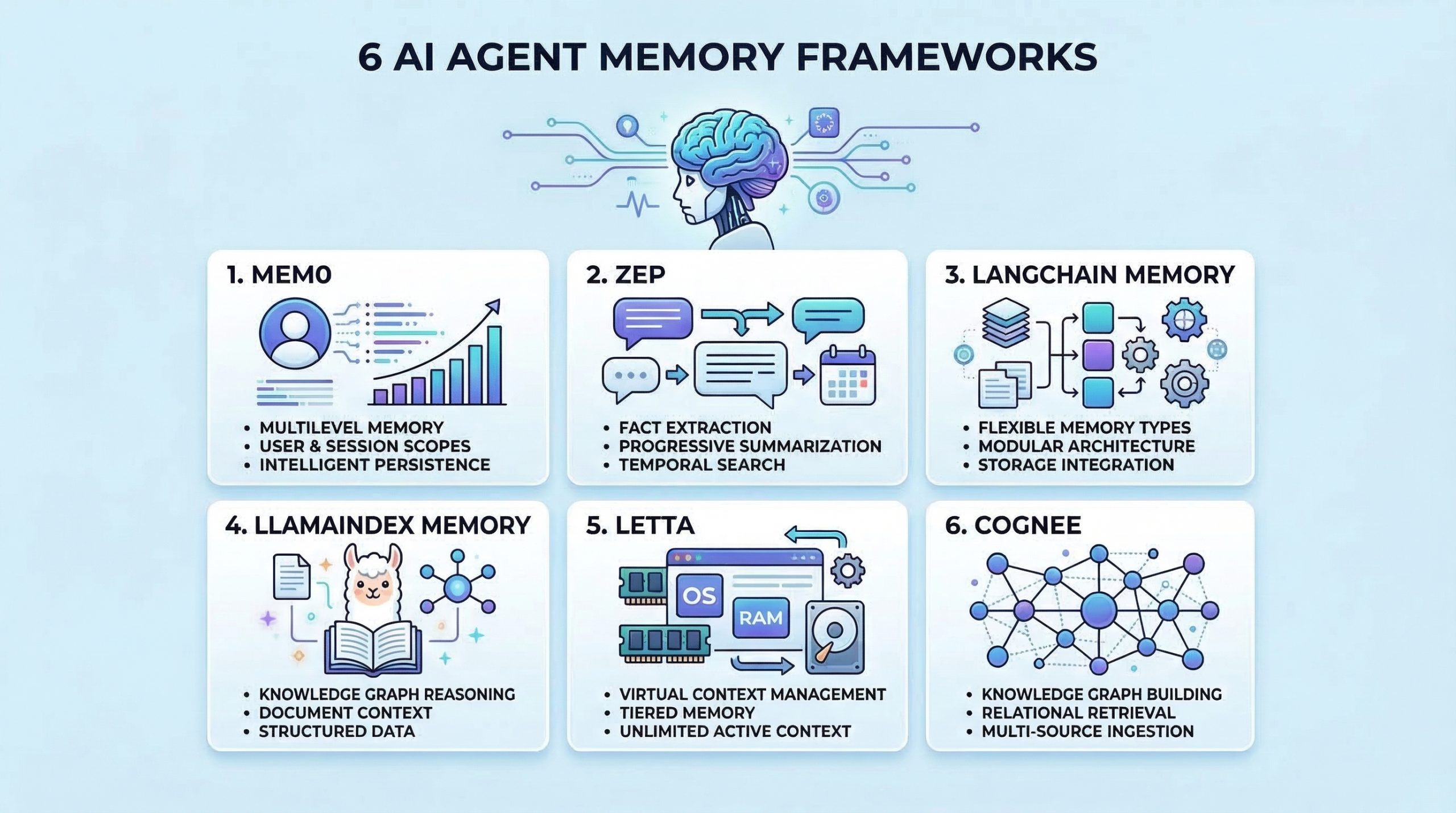
The 6 Best AI Agent Memory Frameworks You Should Try in 2026
Memory helps <a href="https://www.
Memory helps <a href="https://www.

At first glance, adding more features to a model seems like an obvious way to improve performance. If a model can learn from more information, it should be able to make better predictions. In practice, however, this instinct often introduces hidden structural risks. Every additional feature creates another dependency on upstream data pipelines, external systems, […] The post Beyond Accuracy: Quant
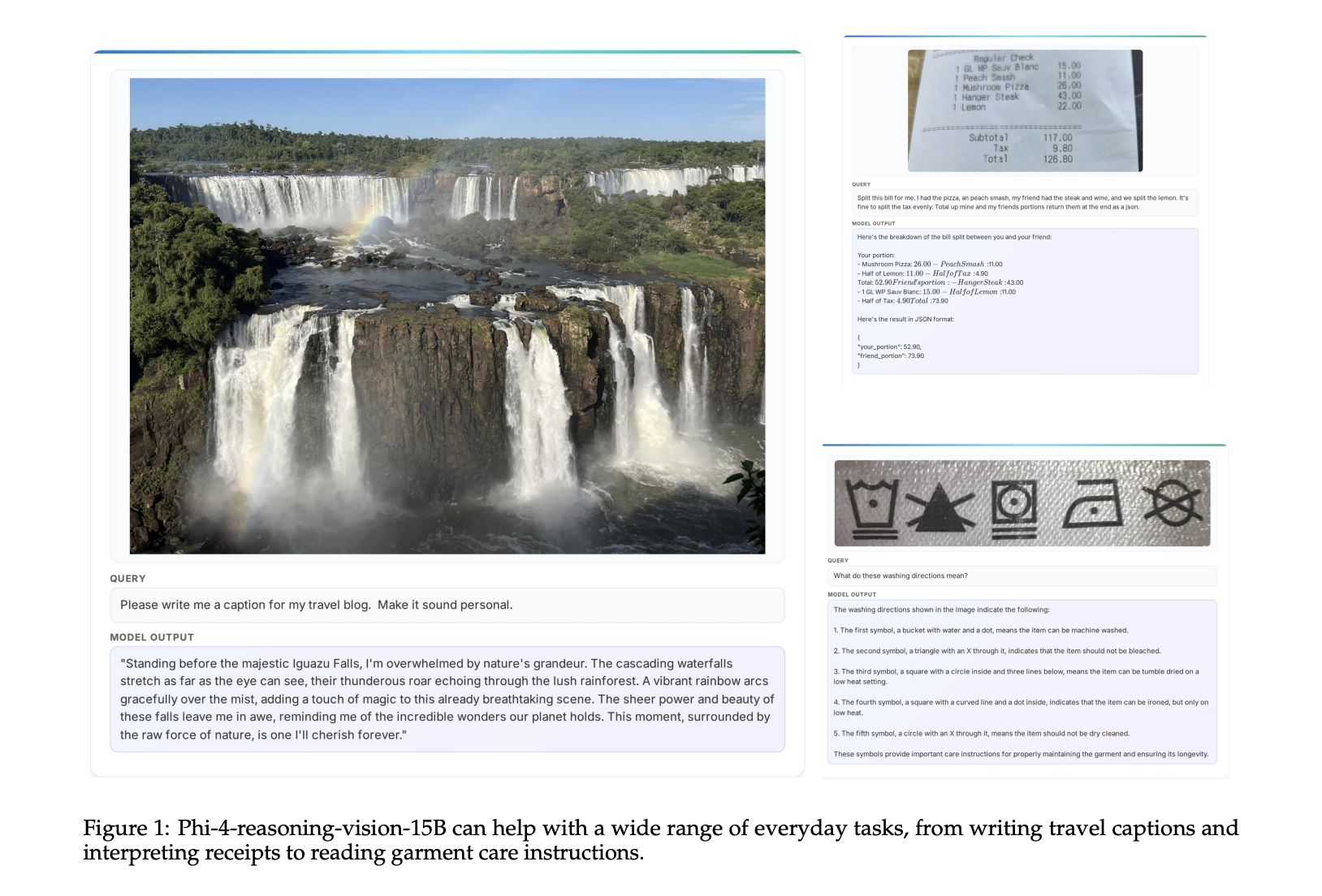
Microsoft has released Phi-4-reasoning-vision-15B, a 15 billion parameter open-weight multimodal reasoning model designed for image and text tasks that require both perception and selective reasoning. It is a compact model built to balance reasoning quality, compute efficiency, and training-data requirements, with particular strength in scientific and mathematical reasoning and understanding user
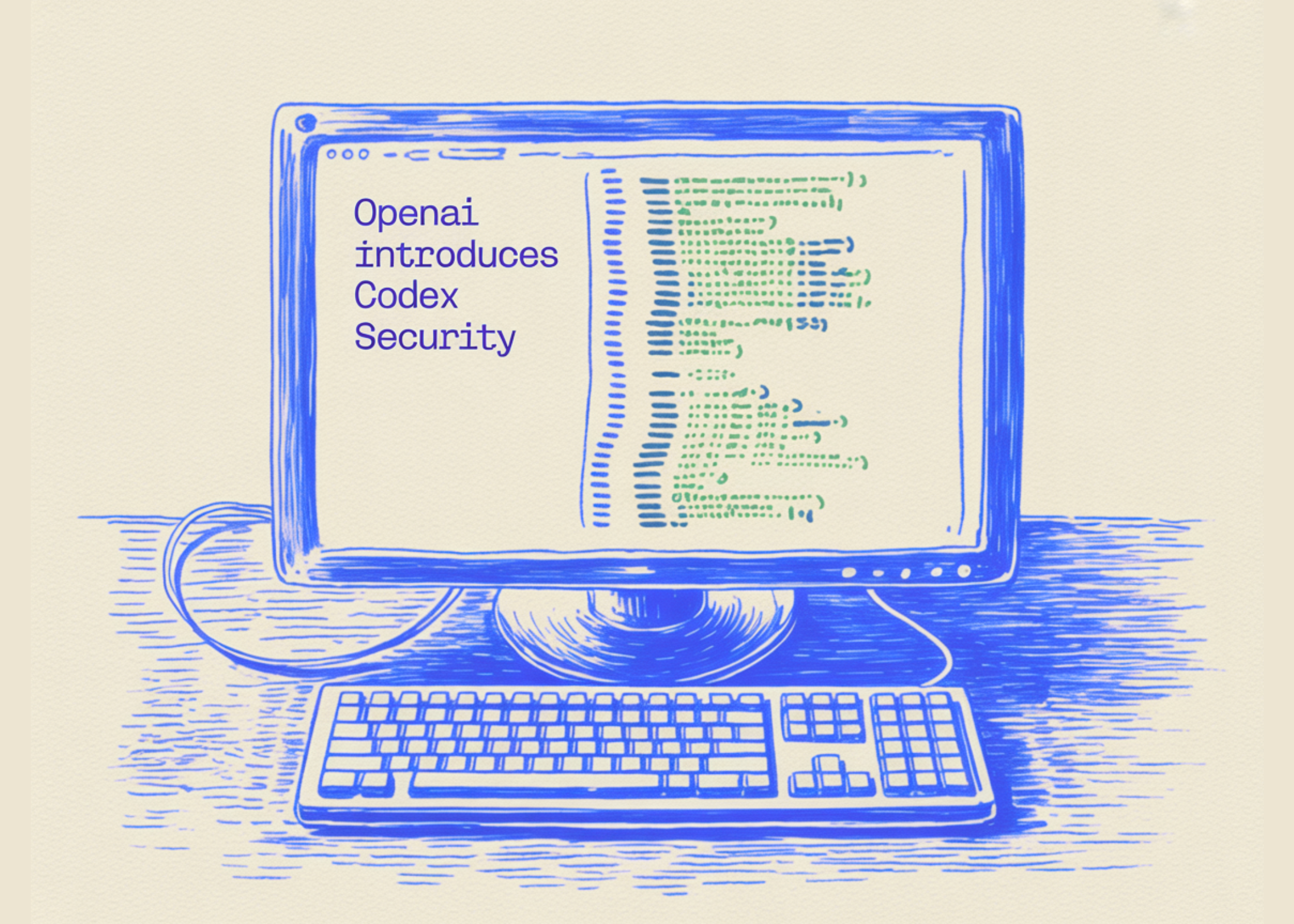
OpenAI has introduced Codex Security, an application security agent that analyzes a codebase, validates likely vulnerabilities, and proposes fixes that developers can review before patching. The product is now rolling out in research preview to ChatGPT Enterprise, Business, and Edu customers through Codex web. Why OpenAI Built Codex Security? The product is designed for a […] The post OpenAI Intro

This is today’s edition of The Download, our weekday newsletter that provides a daily dose of what’s going on in the world of technology. Coming soon: our 10 Things That Matter in AI Right Now For years, MIT Technology Review’s newsroom has been ahead of the curve, tracking the developments in AI that matter and…

Liquid AI has released LFM2-24B-A2B, a model optimized for local, low-latency tool dispatch, alongside LocalCowork, an open-source desktop agent application available in their Liquid4All GitHub Cookbook. The release provides a deployable architecture for running enterprise workflows entirely on-device, eliminating API calls and data egress for privacy-sensitive environments. Architecture and Servi
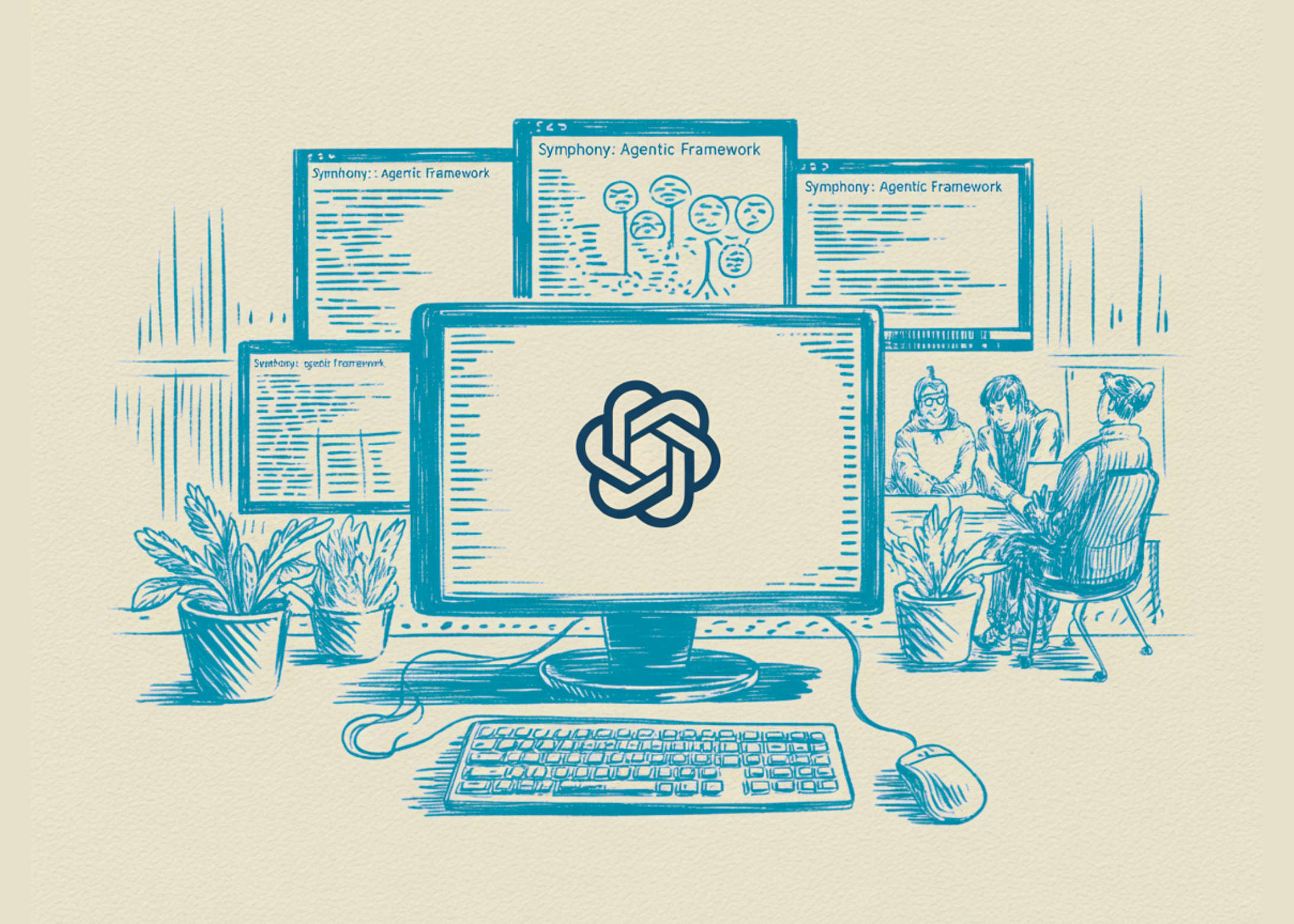
OpenAI has released Symphony, an open-source framework designed to manage autonomous AI coding agents through structured ‘implementation runs.’ The project provides a system for automating software development tasks by connecting issue trackers to LLM-based agents. System Architecture: Elixir and the BEAM Symphony is built using Elixir and the Erlang/BEAM runtime. The choice of stack focuses […] T
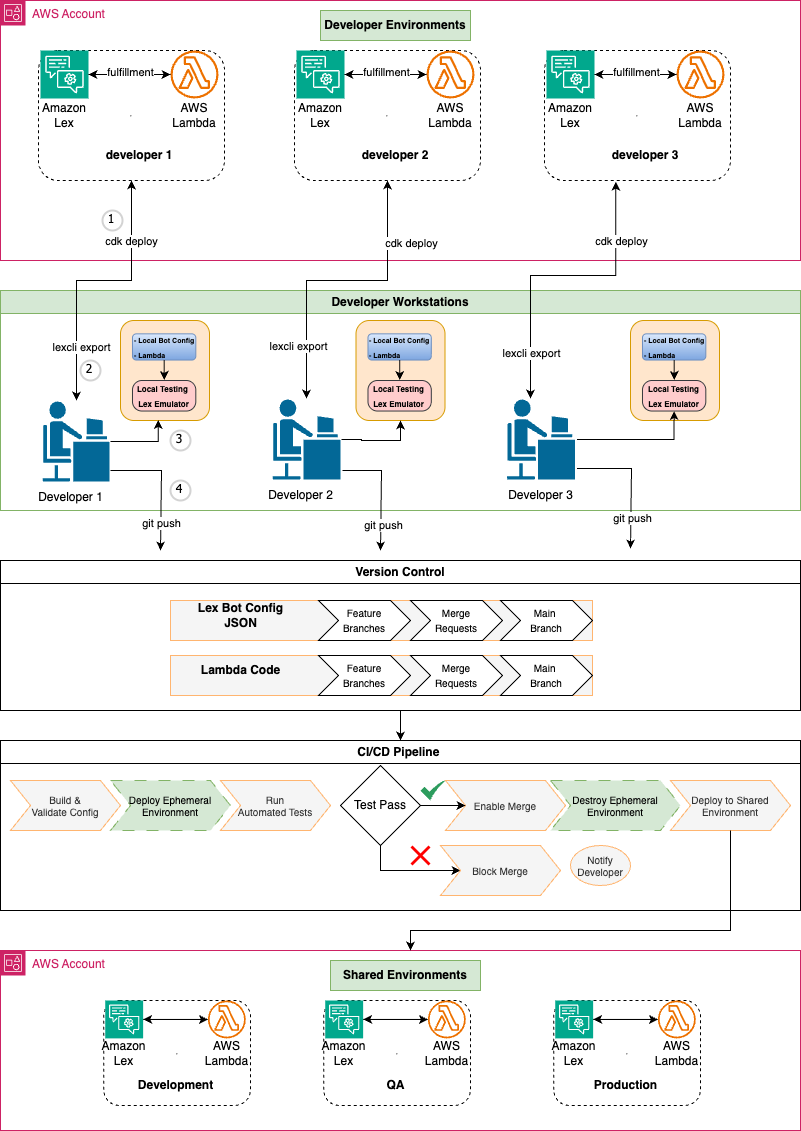
In this post, we walk through a multi-developer CI/CD pipeline for Amazon Lex that enables isolated development environments, automated testing, and streamlined deployments. We show you how to set up the solution and share real-world results from teams using this approach.

This post demonstrates how to build custom model parsers for Strands agents when working with LLMs hosted on SageMaker that don't natively support the Bedrock Messages API format. We'll walk through deploying Llama 3.1 with SGLang on SageMaker using awslabs/ml-container-creator, then implementing a custom parser to integrate it with Strands agents.

This is today’s edition of The Download, our weekday newsletter that provides a daily dose of what’s going on in the world of technology. Online harassment is entering its AI era Scott Shambaugh didn’t think twice when he denied an AI agent’s request to contribute to matplotlib, a software library he helps manage. Then things…

March is in full bloom, and that means a fresh wave of games heading to the cloud. 15 new titles are joining the GeForce NOW library this month. Leading the March lineup is Pearl Abyss’ Crimson Desert, an open‑world action‑adventure set in a war‑torn fantasy land, alongside plenty of other games to explore. Whether looking […]
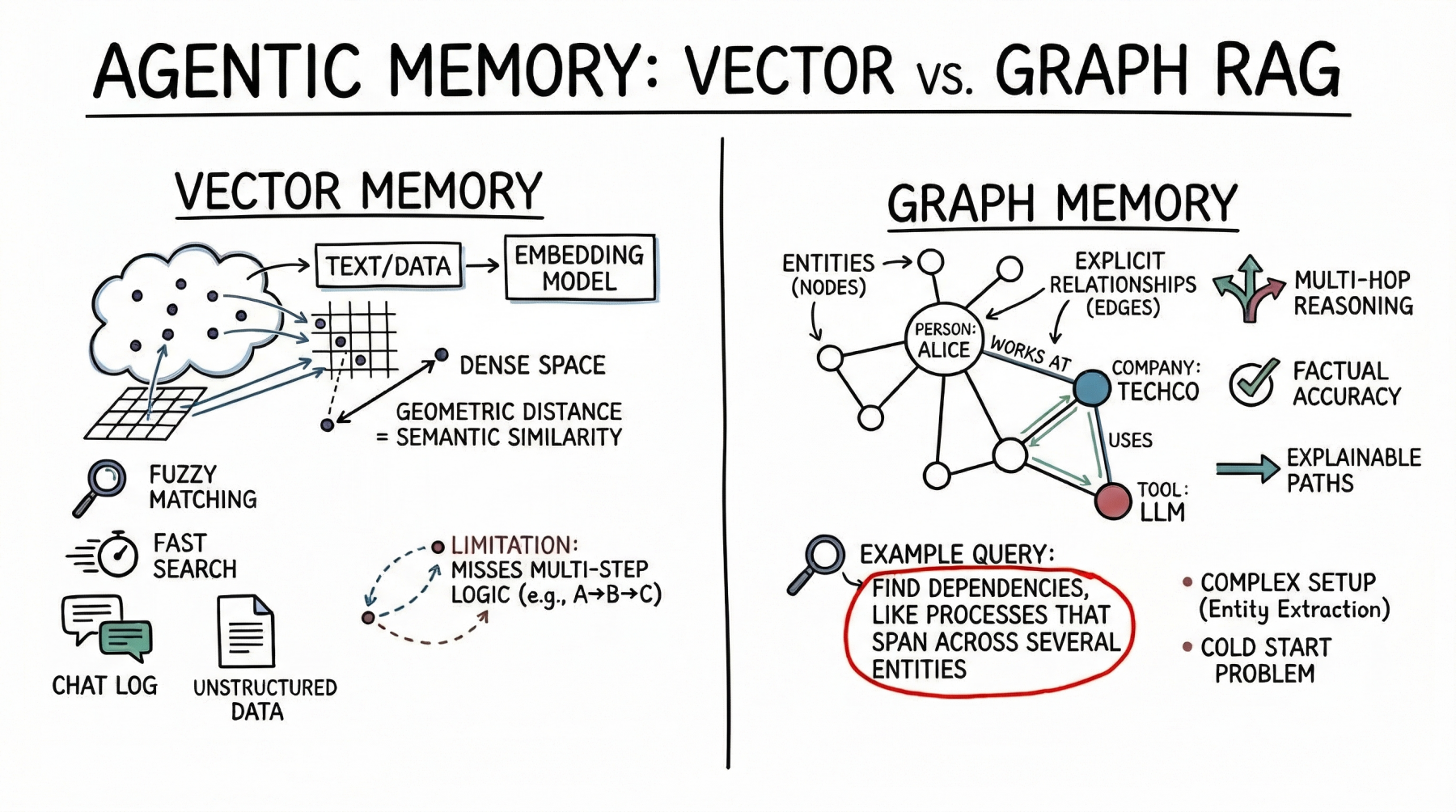
<a href="https://machinelearningmastery.
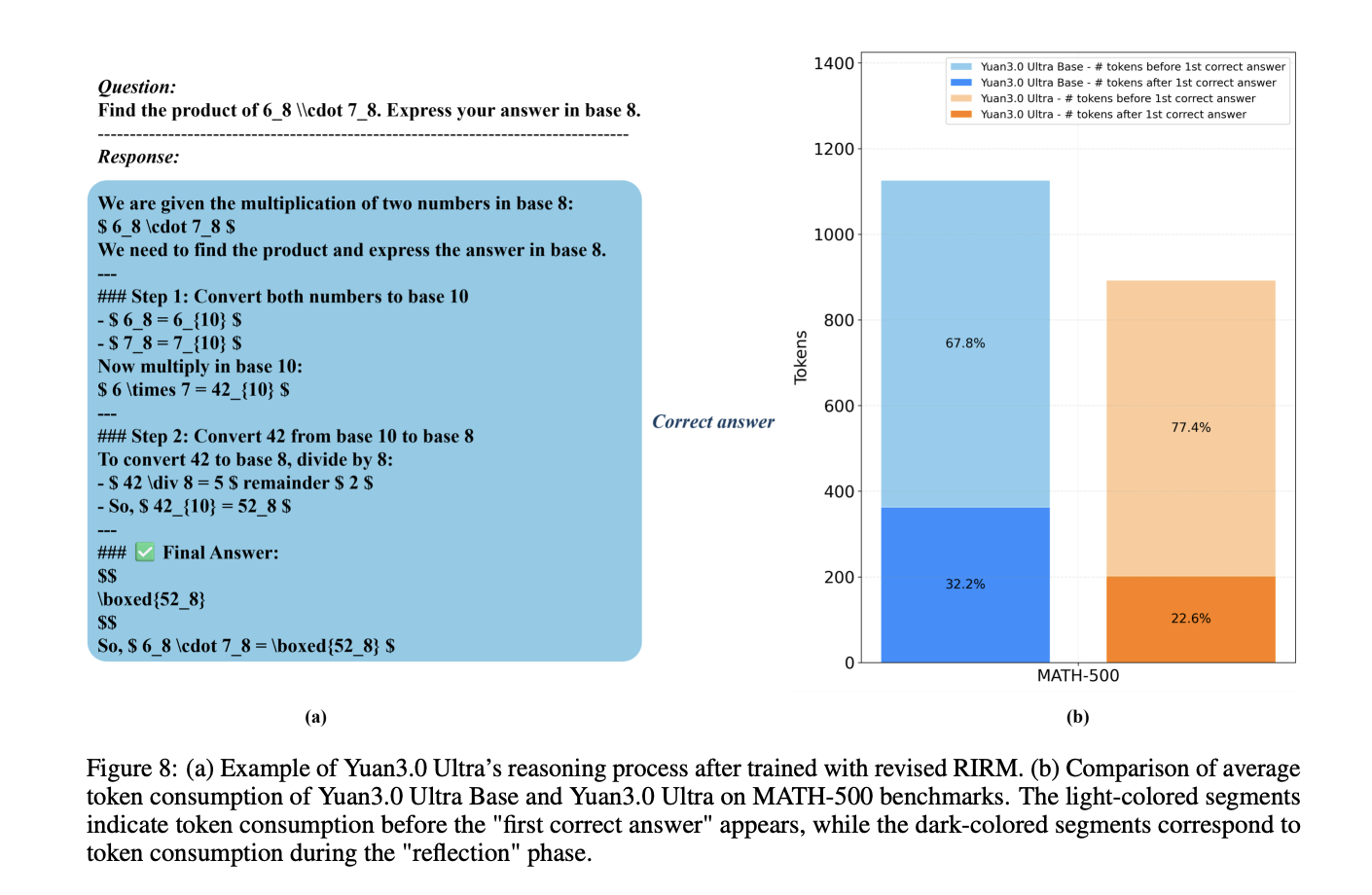
How can a trillion-parameter Large Language Model achieve state-of-the-art enterprise performance while simultaneously cutting its total parameter count by 33.3% and boosting pre-training efficiency by 49%? Yuan Lab AI releases Yuan3.0 Ultra, an open-source Mixture-of-Experts (MoE) large language model featuring 1T total parameters and 68.8B activated parameters. The model architecture is designed
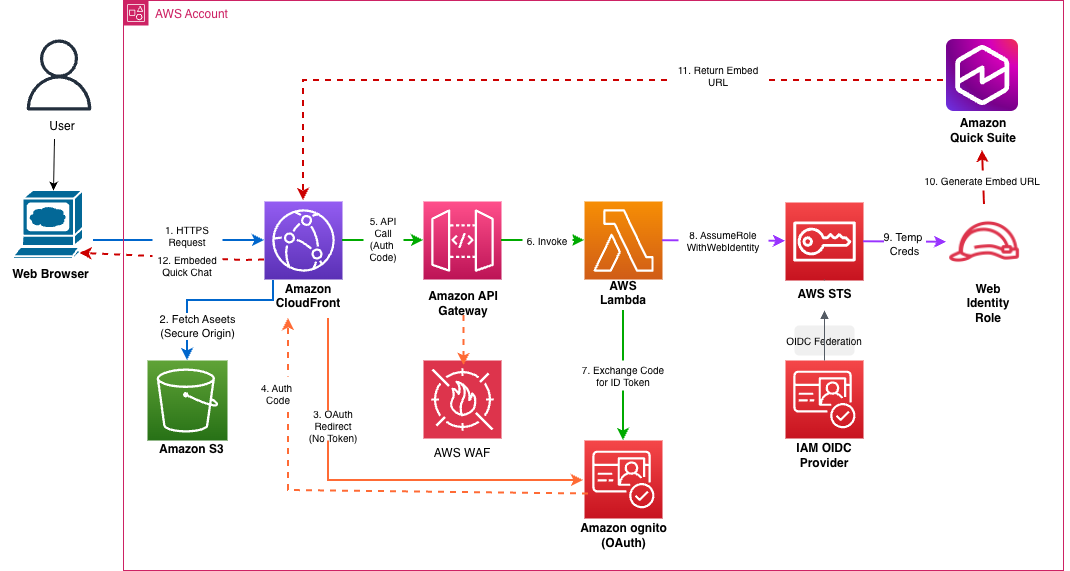
Organizations find it challenging to implement a secure embedded chat in their applications and can require weeks of development to build authentication, token validation, domain security, and global distribution infrastructure. In this post, we show you how to solve this with a one-click deployment solution to embed the chat agents using the Quick Suite Embedding SDK in enterprise portals.
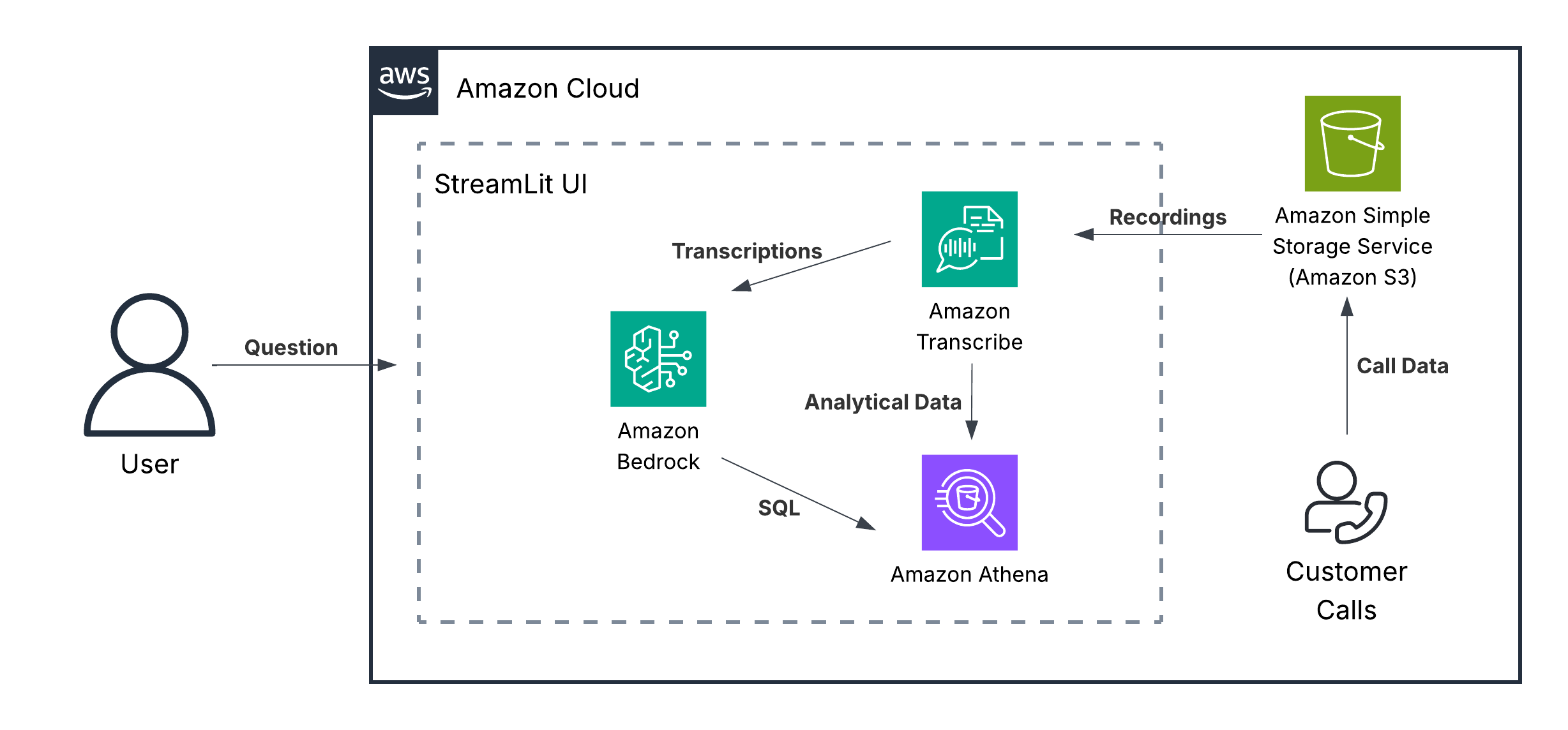
In this post, we discuss how Amazon Nova demonstrates capabilities in conversational analytics, call classification, and other use cases often relevant to contact center solutions. We examine these capabilities for both single-call and multi-call analytics use cases.

This post explores how Ricoh built a standardized, multi-tenant solution for automated document classification and extraction using the AWS GenAI IDP Accelerator as a foundation, transforming their document processing from a custom-engineering bottleneck into a scalable, repeatable service.
<a href="https://machinelearningmastery.

The transformational potential of AI is already well established. Enterprise use cases are building momentum and organizations are transitioning from pilot projects to AI in production. Companies are no longer just talking about AI; they are redirecting budgets and resources to make it happen. Many are already experimenting with agentic AI, which promises new levels…

This is today’s edition of The Download, our weekday newsletter that provides a daily dose of what’s going on in the world of technology. Listen to Earth’s rumbling, secret soundtrack The boom of a calving glacier. The crackling rumble of a wildfire. The roar of a surging storm front. They’re the noises of the living…

Current end-to-end robotic policies, specifically Vision-Language-Action (VLA) models, typically operate on a single observation or a very short history. This ‘lack of memory’ makes long-horizon tasks, such as cleaning a kitchen or following a complex recipe, computationally intractable or prone to failure. To address this, researchers from Physical Intelligence, Stanford, UC Berkeley, and MIT hav